Kidney Failure: A Comprehensive Guide to Causes, Symptoms, Treatment, and Prevention
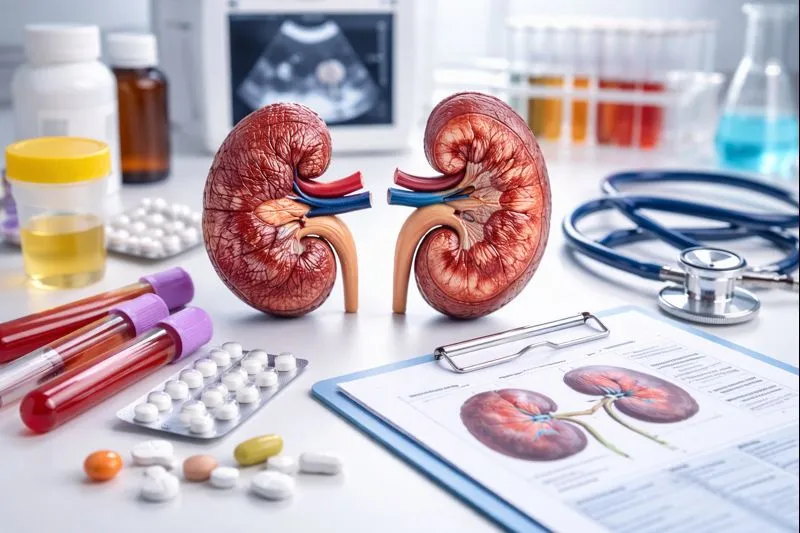
Kidney Failure is a serious medical condition in which the kidneys lose their ability to filter waste products, excess fluids, and toxins from the blood effectively. The kidneys play a vital role in maintaining overall health by regulating electrolytes, blood pressure, red blood cell production, and bone health. When Kidney Failure develops, these essential functions are disrupted, leading to severe and potentially life-threatening complications.
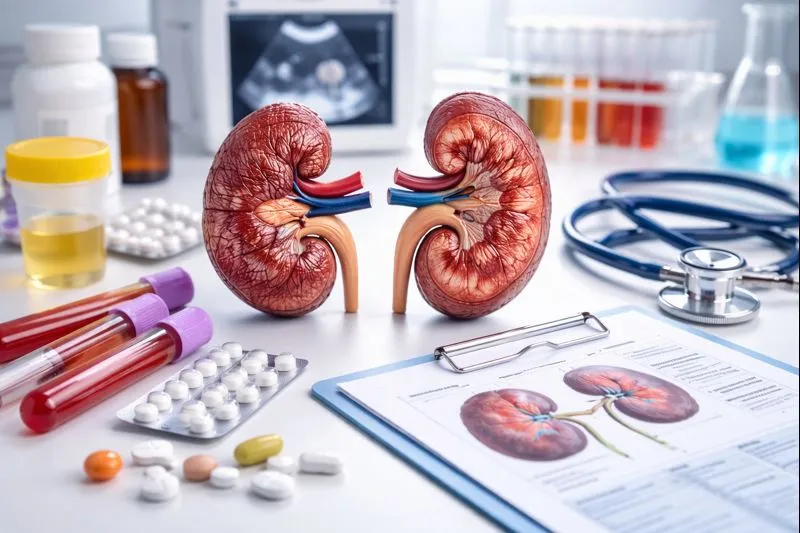
This article provides a detailed and structured overview of Kidney Failure, following a logical progression from basic understanding to long-term management. It explores causes, risk factors, symptoms, diagnosis, treatment options, and prevention strategies. By increasing awareness and knowledge, individuals can recognize early warning signs and take proactive steps to protect kidney health.
Understanding Kidney Failure
Kidney Failure, also known as renal failure, occurs when one or both kidneys are no longer able to function adequately on their own. This condition can develop suddenly or gradually, depending on the underlying cause. The loss of kidney function leads to the accumulation of waste products in the body, which can affect nearly every organ system.
In healthy individuals, the kidneys filter about 120 to 150 quarts of blood daily. In Kidney Failure, this filtration process becomes inefficient or stops altogether. As a result, harmful substances build up in the bloodstream, causing symptoms that range from mild fatigue to severe systemic illness.
The Role of the Kidneys
The kidneys regulate fluid balance, remove toxins, maintain electrolyte levels, and produce hormones essential for blood pressure control and red blood cell formation. Damage to these functions is central to Kidney Failure.
Why Kidney Function Is Critical
Without proper kidney function, the body cannot maintain internal balance, making Kidney Failure a condition that requires urgent medical attention.
Types of Kidney Failure
There are two primary types of Kidney Failure: acute kidney failure and chronic kidney failure. Each type differs in onset, causes, and treatment approach.
Acute Kidney Failure develops rapidly, often within hours or days, and is usually triggered by sudden illness, injury, or medication toxicity. Chronic Kidney Failure, on the other hand, progresses slowly over months or years and is often irreversible.
Acute Kidney Failure
This form of Kidney Failure is often reversible if treated promptly. Common triggers include dehydration, severe infections, or reduced blood flow to the kidneys.
Chronic Kidney Failure
Chronic Kidney Failure results from long-term damage and typically requires ongoing management, including dialysis or kidney transplantation.
Causes and Risk Factors
The causes of Kidney Failure vary depending on whether the condition is acute or chronic. In many cases, it results from diseases that impair blood flow to the kidneys or directly damage kidney tissue.
Common risk factors for Kidney Failure include diabetes, high blood pressure, cardiovascular disease, and prolonged use of certain medications. Lifestyle and genetic factors also contribute to susceptibility.
Medical Conditions Linked to Kidney Failure
- Diabetes mellitus
- Hypertension
- Autoimmune diseases
- Chronic infections
Lifestyle and Environmental Risks
Smoking, obesity, and exposure to toxins increase the likelihood of developing Kidney Failure over time.
Symptoms and Early Warning Signs
The symptoms of Kidney Failure often develop gradually, especially in chronic cases. Early stages may present with subtle signs that are easily overlooked.
As Kidney Failure progresses, symptoms become more pronounced and may include swelling, fatigue, nausea, and changes in urination patterns. Recognizing these signs early is essential for timely intervention.
Early Symptoms
Mild fatigue, frequent urination, and difficulty concentrating can signal early Kidney Failure.
Advanced Symptoms
Severe swelling, shortness of breath, chest pain, and confusion may indicate advanced Kidney Failure.
Diagnosis and Medical Evaluation
Diagnosing Kidney Failure involves a combination of medical history, physical examination, laboratory tests, and imaging studies. Early diagnosis significantly improves outcomes.
Blood tests measure creatinine and urea levels, while urine tests assess protein and waste excretion. Imaging techniques help identify structural abnormalities in the kidneys.
Key Diagnostic Tests
- Blood creatinine and urea tests
- Urinalysis
- Ultrasound or CT scans
Importance of Early Diagnosis
Timely detection of Kidney Failure allows for interventions that can slow or halt disease progression.
Stages of Chronic Kidney Failure
Chronic Kidney Failure is classified into five stages based on glomerular filtration rate (GFR), which measures kidney function.
Early stages may not require intensive treatment, while later stages demand advanced therapies. Understanding these stages helps patients and providers plan appropriate care.
Early Stages (1–3)
Kidney damage is present, but symptoms may be minimal in early Kidney Failure stages.
Advanced Stages (4–5)
Severe loss of kidney function occurs, often requiring dialysis or transplantation.
Treatment Options for Kidney Failure
Treatment for Kidney Failure depends on its type, cause, and severity. The primary goals are to manage symptoms, address underlying conditions, and prevent complications.
Medications, lifestyle changes, and supportive therapies play a central role in managing Kidney Failure. In advanced cases, renal replacement therapy becomes necessary.
Medical Management
Blood pressure control, glucose management, and dietary adjustments are critical in treating Kidney Failure.
Advanced Therapies
Dialysis and kidney transplantation are life-saving treatments for end-stage Kidney Failure.
Dialysis and Renal Replacement Therapy
Dialysis is a treatment that performs the function of the kidneys by removing waste products and excess fluids from the blood. It is essential for patients with advanced Kidney Failure.
There are two main types of dialysis: hemodialysis and peritoneal dialysis. Each has unique advantages and challenges.
Hemodialysis
Blood is filtered through a machine outside the body to manage Kidney Failure.
Peritoneal Dialysis
The lining of the abdomen is used as a natural filter for waste removal in Kidney Failure patients.
Kidney Transplantation
Kidney transplantation is considered the most effective long-term treatment for eligible patients with end-stage Kidney Failure. It restores near-normal kidney function and improves quality of life.
However, transplantation requires lifelong immunosuppressive therapy and careful monitoring. Not all patients with Kidney Failure are candidates for this procedure.
Benefits of Transplantation
Improved survival and quality of life compared to long-term dialysis.
Challenges and Risks
Organ availability, rejection risk, and infection are concerns in Kidney Failure transplantation.
Prevention and Long-Term Management
Preventing Kidney Failure focuses on managing chronic conditions, maintaining a healthy lifestyle, and undergoing regular medical checkups. Early intervention can significantly reduce risk.
Long-term management of Kidney Failure requires adherence to treatment plans, dietary modifications, and emotional support. Education plays a vital role in empowering patients.
Preventive Strategies
- Control blood pressure and blood sugar
- Stay hydrated
- Avoid nephrotoxic medications
Living Well with Kidney Failure
Support systems, nutrition counseling, and regular follow-up care improve outcomes for people with Kidney Failure.
Conclusion
Kidney Failure is a complex and potentially life-threatening condition that affects millions of people worldwide. While its impact can be severe, advances in medical care, early diagnosis, and effective treatment strategies have significantly improved patient outcomes. Understanding the causes, symptoms, and management options for Kidney Failure empowers individuals to take proactive steps toward protecting kidney health.
By prioritizing prevention, recognizing early warning signs, and accessing appropriate medical care, many cases of Kidney Failure can be delayed or managed successfully. With continued awareness, education, and healthcare support, individuals living with Kidney Failure can achieve better quality of life and long-term well-being.