Affirm: How Buy Now, Pay Later Really Works at Checkout
Affirm turned split payments into a checkout staple. Here's how its 0% and interest-bearing plans really work — and when buy now, pay later quietly costs more.
Buy now, pay later has moved from novelty to checkout default, and Affirm is one of the names you're most likely to see when you tap "pay." The pitch is simple: split a purchase into a few installments, often with no interest, and take the item home today. The reality is more layered — and worth understanding before you click.
What Affirm Actually Is
Affirm is a consumer lending company, not a traditional bank and not a credit card issuer. Founded in 2012 by Max Levchin, it partners with merchants — electronics retailers, furniture stores, fitness brands, travel sites — and offers financing at the point of sale. Affirm takes on the credit risk, pays the merchant upfront minus a fee, and collects installments from you over time.
That structure matters. Affirm isn't lending out customer deposits; many of its loans are funded through bank partnerships and other capital providers, and its savings and card products run through partner institutions. For a borrower, the practical takeaway is straightforward: the terms you see come from Affirm, but the regulatory plumbing underneath is shared with banks.
How the Checkout Experience Works
Prequalification without a hard pull
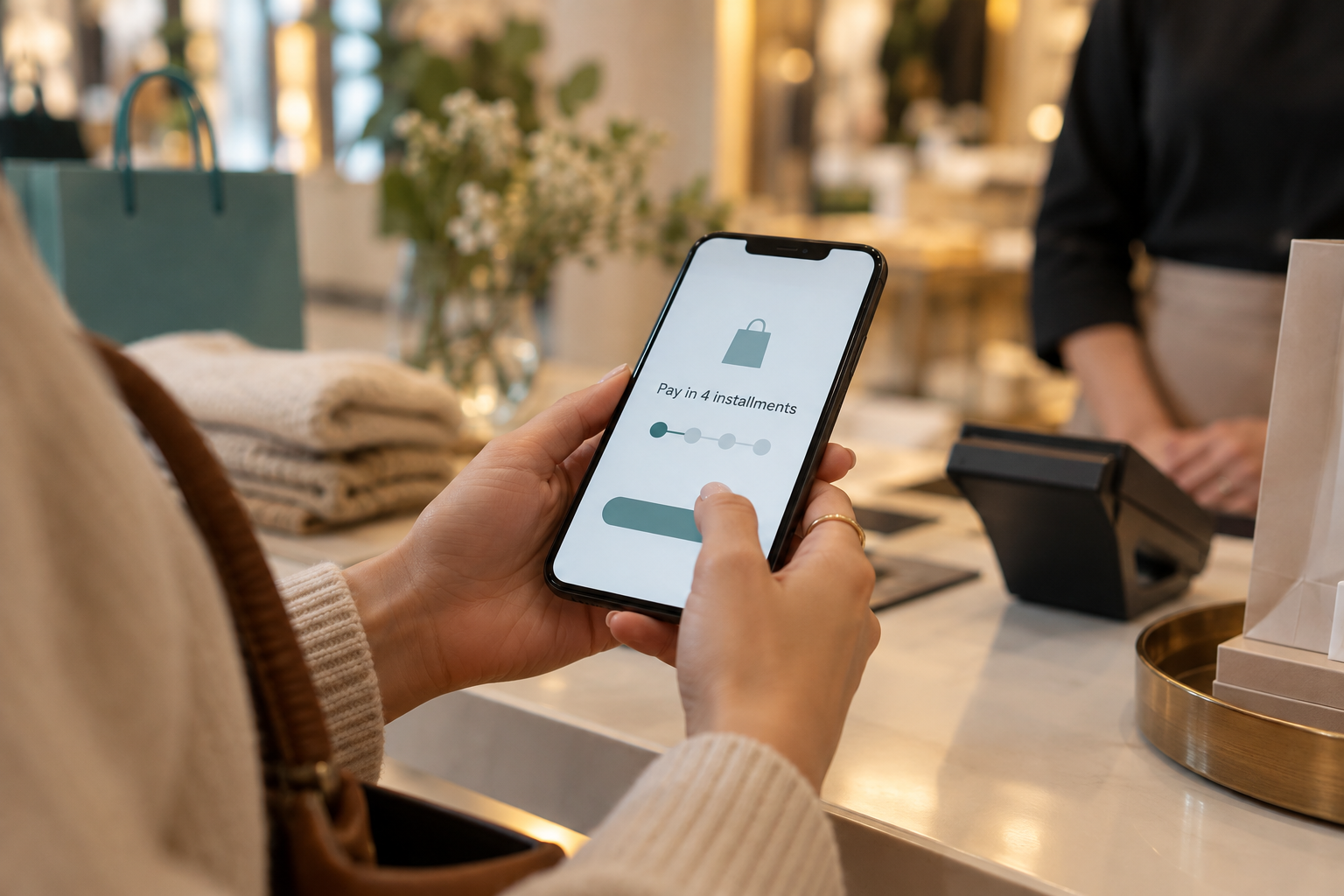
When you select Affirm at checkout, you enter a few details — name, date of birth, the last four digits of your Social Security number — and get a decision in seconds. That initial review is typically a soft credit inquiry, which does not affect your score. The plans you're offered are personalized, so two shoppers buying the same sofa can be quoted different rates.
Two flavors: 0% and interest-bearing
Most Affirm offers fall into one of two buckets. The first is the familiar pay-in-four plan: a down payment at checkout followed by three biweekly payments, often at 0% APR, for smaller purchases. The second is monthly financing, which stretches a larger balance across three to thirty-six months with a fixed interest rate. That rate can run anywhere from 0% on promotional offers to roughly 36% at the top of the range.
The 0% label is genuine, but it usually depends on on-time payments and is attached to specific merchant promotions rather than being a permanent feature. Read the disclosure screen: the total you'll repay, the number of payments, and the APR are all listed there before you confirm.
The Fine Print That Actually Matters
- No late fees, but real consequences. Affirm advertises zero late fees on its installment loans. Missed payments still hurt: interest where it applies keeps accruing, repeated misses can be reported to credit bureaus, and you may lose access to future plans.
- Autopay is your friend. Some offers include a small rate discount for enrolling. More importantly, autopay prevents the administrative slip that turns a tidy plan into a mess.
- Stacking plans is easy to miss. Because each plan runs on its own schedule, four "small" payments can quietly add up to a substantial monthly obligation.
Does Affirm Affect Your Credit Score?
This is where Affirm has shifted. The short pay-in-four plans have historically not been reported to the major bureaus, which meant they neither helped nor hurt your file. Affirm has expanded credit reporting to Experian for certain loans, including many longer-term ones. The practical effect cuts both ways: consistent on-time payments can build positive history, while a missed payment on a reported loan can leave a mark.
Because reporting policies continue to evolve, check the specific disclosure for the plan you're offered rather than relying on older assumptions.
Affirm vs. a Personal Loan — and the Student Loan Confusion
Point-of-sale financing is convenient, but it isn't automatically cheap. An interest-bearing Affirm plan near the top of the APR range is pricier than a well-priced personal loan from a credit union for someone with strong credit, and it's far pricier than a 0% introductory credit card used carefully and paid off inside the promo window.
It's also worth saying plainly: Affirm does not offer student loans. Despite sitting alongside personal, auto, and education lending in the broader credit conversation, buy now, pay later is not a substitute for tuition financing. Student loans amortize over years and come with deferment, forbearance, and income-driven options. BNPL balances come due in weeks or months, with no safety net if your income dips. Using installment plans to cover tuition or a semester's living costs is a recipe for a fast-moving payment stack you can't outrun.
The Affirm Card and the Wider Ecosystem
Affirm also offers the Affirm Card, a debit card linked to your bank account that lets you convert individual purchases into installment plans after the fact, plus a savings account through a partner bank. These features blur the line between checking and credit. Treat the borrowing side with the same discipline you'd apply to any card: the convenience is real, and so is the cost when balances stretch out.
When Affirm Makes Sense
- You're offered a genuine 0% plan, you can cover every installment from existing cash flow, and the item is something you'd have bought anyway.
- The alternative is carrying the balance on a credit card at a double-digit APR.
- Autopay is set, and the due dates fit your paycheck rhythm.
It makes far less sense when it nudges you toward a purchase you didn't plan for, when you're juggling several active plans, or when you're financing something that loses value fast. Financing a laptop you need for work is different from financing a vacation you'll be paying off long after the tan fades.
Habits That Keep BNPL Safe
Budget by total cost, not monthly payment. Write down every active plan, its balance, and its due date in one place. Keep total installment obligations to a modest share of monthly take-home pay — a common guideline is under 10%. If plans pile up, pay the smallest balance first to free up cash flow, and stop adding new ones until the slate clears. Used that way, Affirm behaves like the budgeting tool it's marketed as. Used loosely, it's just debt with a friendlier interface.