Understanding Cervical Cancer: Causes, Symptoms, and Prevention
Cervical cancer remains a significant health concern for women worldwide, affecting thousands each year. This article aims to provide an in-depth look at cervical cancer, including its causes, symptoms, diagnostics, treatment options, preventive measures, and more. By understanding this disease, we can better educate ourselves and help others.
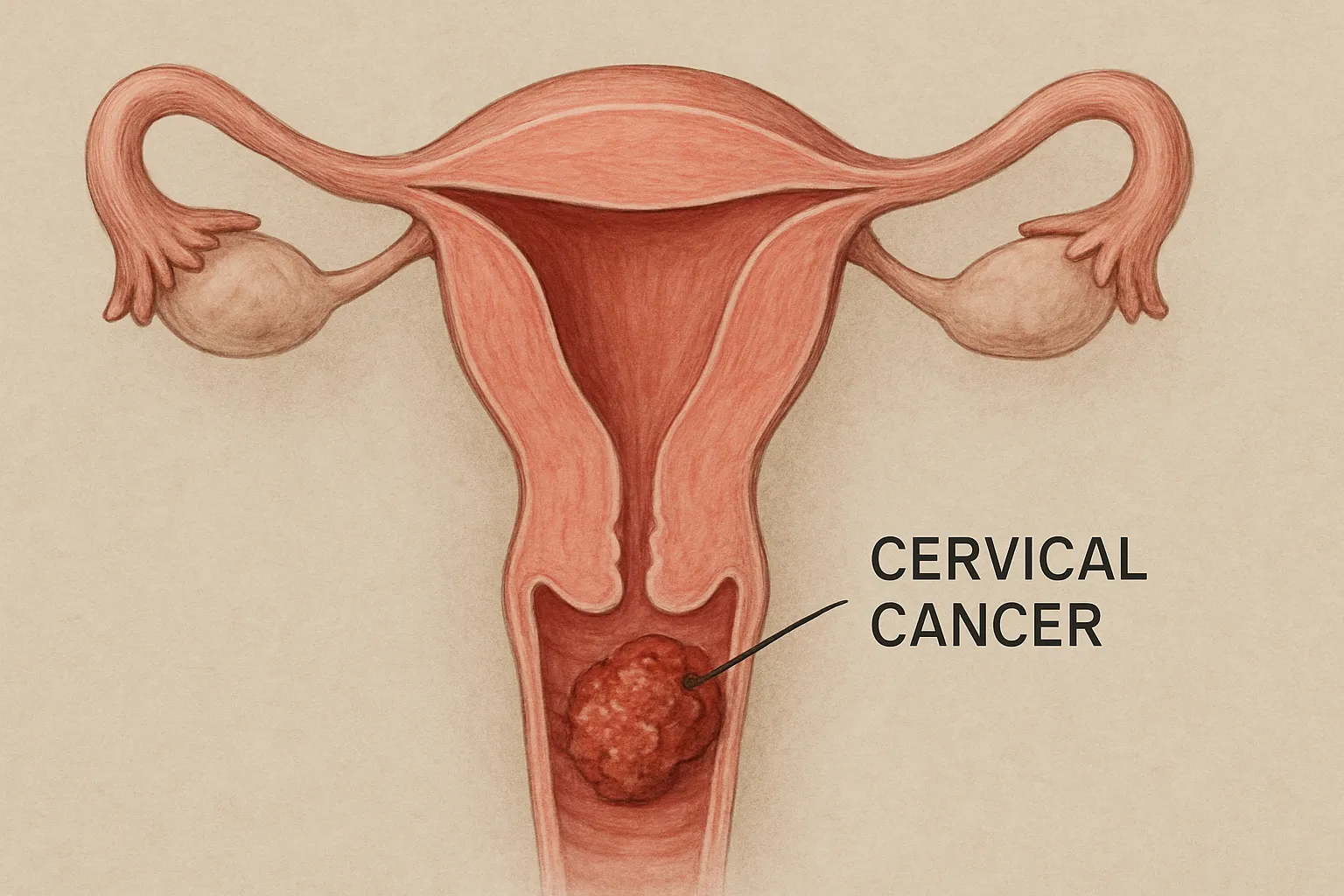
What is Cervical Cancer?
Cervical cancer occurs in the cervix, the lower part of the uterus that connects to the vagina. The most common type is squamous cell carcinoma, which begins in the thin, flat cells lining the cervix. Another type is adenocarcinoma, which starts in the glandular cells. Both types are often linked to persistent infection by human papillomavirus (HPV), a sexually transmitted virus.
Importance of Early Detection
Early detection of cervical cancer significantly increases the chances of successful treatment. Regular screenings, such as Pap smears and HPV tests, can identify abnormalities in cervical cells before they develop into cancer.
Statistics on Cervical Cancer
According to the World Health Organization (WHO), cervical cancer ranks as the fourth most common cancer among women, with approximately 604,000 new cases diagnosed in 2020. This staggering number highlights the need for awareness and preventative measures.
Risk Factors for Cervical Cancer
Understanding the risk factors is crucial for prevention and early detection of cervical cancer. These factors include:
HPV Infection
Persistent infection with high-risk types of HPV is the primary cause of cervical cancer. While most HPV infections clear on their own, those that persist can lead to cervical changes and eventually cancer.
Smoking
Women who smoke are at a higher risk for cervical cancer. Chemicals in cigarettes can damage DNA in cervical cells and contribute to cancer development.
Immunosuppression
Women with weakened immune systems, whether due to HIV/AIDS or immunosuppressive therapies, are at a greater risk. A healthy immune system plays a crucial role in fighting HPV infections.
Symptoms of Cervical Cancer
Early-stage cervical cancer may not present noticeable symptoms. As the disease progresses, common symptoms may include:
Abnormal Bleeding
Women with cervical cancer may experience bleeding between periods, after intercourse, or post-menopause. This symptom often prompts further investigation.
Pelvic Pain
Persistent pelvic pain that does not respond to over-the-counter medication can also be a warning sign. This pain may indicate the cancer has invaded surrounding tissues.
Diagnosis of Cervical Cancer
The diagnostic process typically involves several key steps:
Pap Smear Test
The Pap smear is a routine screening test that checks for precancerous changes in cervical cells. Women are advised to begin these tests at age 21 or three years after becoming sexually active.
HPV Testing
In conjunction with Pap smears, HPV testing can further assess a woman’s risk of developing cervical cancer. This test identifies the presence of high-risk HPV types.
Treatment Options for Cervical Cancer
If diagnosed with cervical cancer, various treatment options are available depending on the stage of the disease:
Surgical Treatment
Surgery may involve the removal of the cervix, uterus, or surrounding tissues. Options range from a hysterectomy to more conservative procedures aimed at preserving fertility.
Radiation Therapy
Radiation therapy uses high-energy rays to target and kill cancer cells. It can be employed alone or in combination with other treatments.
Chemotherapy
Chemotherapy involves using drugs to kill rapidly dividing cancer cells. It is often recommended for advanced stages of cervical cancer and may be used in conjunction with radiation.
Preventive Measures for Cervical Cancer
Prevention plays a critical role in reducing the risk of developing cervical cancer:
Vaccination
The HPV vaccine is highly effective in preventing the types of HPV known to cause cervical cancer. The vaccine is recommended for preteens and young adults.
Regular Screenings
Regular international recommendations suggest women should start having Pap smears at age 21, and HPV testing should begin at age 30.
Healthy Lifestyle Choices
Maintaining a healthy lifestyle, including not smoking, consuming a balanced diet, and exercising regularly, can strengthen the immune system and reduce cancer risk.
Living with Cervical Cancer
A diagnosis of cervical cancer can be overwhelming. Support from healthcare providers, family, and friends is essential in navigating the complexities of treatment and recovery.
Emotional Support
Many women find counseling beneficial for managing the emotional aspects of a cancer diagnosis. Support groups can also offer shared experiences and coping strategies.
Follow-Up Care
After treatment, regular follow-up care is crucial. These visits typically include physical exams and imaging to monitor for any recurrence of cancer.
Conclusion
Cervical cancer is a significant health issue that requires awareness, education, and proactive measures for prevention and early detection. By understanding the causes, symptoms, diagnosis, and treatment options, women can make informed health decisions. Additionally, adopting preventive measures such as vaccination and regular screenings can provide a vital line of defense against this disease. Ultimately, continued research and education are essential in combating cervical cancer and supporting women's health globally.