The Ultimate Guide: Things to Note When Going for a Therapeutic Massage
Embarking on a journey toward better health often involves integrating various forms of self-care, and few are as effective and restorative as a therapeutic massage. Whether you are a seasoned spa-goer or a complete novice, understanding the nuances of massage therapy can significantly enhance your experience. A massage is not merely a luxury; it is a scientifically backed method for reducing stress, alleviating pain, and improving circulation. However, to get the most out of your session, preparation and awareness are key. From the moment you decide to book an appointment to the hours following your treatment, there are specific protocols and considerations that ensure safety and maximize benefits.
Many people walk into a massage clinic unaware of the etiquette or the physiological changes that occur during a session. This lack of knowledge can lead to discomfort, awkwardness, or even diminish the effectiveness of the treatment. This guide is designed to walk you through the entire process chronologically, highlighting the crucial things to note when going for a therapeutic massage. By paying attention to these details, you transform a simple appointment into a profound healing experience.
1. Researching and Selecting the Right Therapist
The foundation of a successful massage experience lies in choosing a qualified professional. Not all therapists are created equal, and their specializations can vary wildly. It is imperative to look for a licensed massage therapist (LMT) who has certified training in the specific modalities you require. When you begin your search, do not just settle for the nearest location or the cheapest option; read reviews, check credentials, and ask for recommendations. A therapist who specializes in relaxation techniques might not be the best fit if you are suffering from a specific sports injury, frozen shoulder, or chronic pain condition like sciatica. Conversely, a sports therapist might use techniques that are too aggressive for someone simply seeking stress relief.
Furthermore, the environment of the clinic plays a massive role in your ability to relax. When you call to book, ask about the setting. Is it a bustling clinic or a quiet spa environment? The atmosphere should align with your goals for the session. If you are seeking stress relief, a noisy chiropractic office where you can hear phones ringing and doors slamming might be counterproductive. On the other hand, if you need aggressive injury rehabilitation, a soft-lit spa might lack the necessary equipment or clinical focus. Trust your intuition during these initial interactions; if the staff is dismissive or the facility seems unorganized, it is a red flag to look elsewhere.
Verifying Credentials and Insurance
Ensure that the therapist holds a valid license to practice in your jurisdiction. In many regions, practicing without a license is illegal and unsafe, as it means the practitioner may not have studied anatomy or ethics. Additionally, if you plan to use health insurance or a flexible spending account to cover the cost of your massage therapy, verify that the provider is in-network. This financial preparation prevents unexpected costs and allows you to focus entirely on your recovery rather than worrying about the bill.
2. Understanding Different Massage Modalities
One of the most common mistakes clients make is booking a generic massage without understanding the specific techniques involved. There is a vast difference between a Swedish massage and a deep tissue massage. Swedish massage is characterized by long, gliding strokes known as effleurage, kneading, and circular movements. It is primarily focused on relaxation, increasing blood oxygen levels, and decreasing muscle toxins. It is the ideal choice for beginners or those with a low pain threshold who simply want to unwind. Conversely, deep tissue massage targets the inner layers of your muscles and connective tissues (fascia), often involving intense pressure that can be uncomfortable but is necessary for releasing chronic muscle tension.
Before you arrive, educate yourself on other modalities as well to ensure you are booking the right service. For example, sports massage is tailored for athletes to prevent injuries and improve flexibility, often incorporating stretching. Reflexology focuses on pressure points in the feet and hands that correspond to organs in the body. If you are pregnant, a prenatal massage is required, as it employs specific positioning (usually side-lying) and techniques to ensure the safety of both mother and baby. Knowing what you signed up for manages your expectations regarding pressure and sensation, preventing the disappointment of a massage that is too light or the pain of one that is too deep.
Common Modalities to Consider
- Swedish Massage: Best for relaxation, stress relief, and improving circulation.
- Deep Tissue: Best for chronic pain, stiff necks, and muscle knots.
- Hot Stone: Uses heated stones to relax tight muscles and increase blood flow.
- Aromatherapy: Incorporates essential oils for emotional healing and mood enhancement.
- Thai Massage: A more active form where the therapist moves your body into yoga-like stretches.
3. Health History and Contraindications
Transparency regarding your health history is non-negotiable when visiting a massage therapist. Before the hands-on work begins, you will typically be asked to fill out an intake form. It is vital to be honest about any medical conditions, surgeries, or injuries, no matter how minor they may seem. Conditions such as high blood pressure, blood clots (deep vein thrombosis), cancer, or recent fractures can be significantly affected by massage. A skilled therapist will adjust their technique to avoid exacerbating these issues, but they can only do so if they are informed. For instance, deep work on legs with varicose veins is generally contraindicated.
Skin conditions are another critical factor. If you have a contagious skin infection, open wounds, rashes, or severe sunburn, you should reschedule your appointment. Massage can spread bacteria or irritate sensitive skin, turning a healing session into a medical complication. Furthermore, if you are currently taking medications, particularly blood thinners or painkillers, let your therapist know. Painkillers can alter your perception of pressure, leading to potential bruising or injury if the therapist applies too much force without you realizing it is painful. Blood thinners make you more susceptible to bruising, requiring a lighter touch.
When to Reschedule
If you are feeling unwell, have a fever, or are experiencing symptoms of a cold or flu, do not go to your appointment. Massage increases circulation, which can circulate the virus through your body faster, potentially making you feel worse. It is also a basic courtesy to your massage therapist to prevent them from getting sick, as their livelihood depends on their physical health.
4. Hygiene and Pre-Session Preparation
Personal hygiene is a fundamental aspect of massage etiquette. Taking a warm shower before your appointment not only ensures you are clean for your therapist but also helps to relax your muscles before the session even begins. The heat from the water loosens tight tissues, making the therapist's job easier and the massage more effective. Avoid wearing heavy perfumes or colognes, as strong scents can be overwhelming in a small, enclosed room and may cause allergic reactions or headaches for the therapist. A neutral or clean scent is always preferred in a clinical setting.
Regarding nutrition, timing your meals is essential. Avoid eating a heavy meal right before your massage, as lying on your stomach with a full belly can be extremely uncomfortable and may cause indigestion or heartburn. Aim to eat a light snack about an hour before your session to keep your blood sugar stable without feeling bloated. Similarly, ensure you are adequately hydrated, but stop drinking large amounts of water immediately before the session to avoid needing a bathroom break in the middle of your relaxation time. Having to pause the massage to use the restroom breaks the flow of the session and your state of relaxation.
What to Wear
Wear loose, comfortable clothing to your appointment. After the massage, you will likely feel relaxed and possibly oily; putting on tight jeans, leggings, or complicated outfits can be a hassle and ruin your post-massage zen. Comfortable clothes like sweatpants or a loose dress allow for a smooth transition back to reality.
5. Communication and Setting Boundaries
Effective communication is the bridge between a mediocre massage and a great one. Before the session starts, discuss your goals with the therapist. Are you looking to reduce stress, or do you have a specific "kink" in your neck that needs addressing? Be clear about your pain tolerance. Many people believe the myth of "no pain, no gain," but massage should generally not be excruciating. If the pressure is too deep, your muscles will instinctively tense up to protect themselves (a reaction called "guarding"), which is counterproductive. The "good pain" of a massage should feel like a relief, not a sharp, stabbing sensation.
You also have the right to set boundaries regarding which areas of your body are massaged. If you are uncomfortable with having your glutes, feet, scalp, or abdomen touched, state this clearly during the intake. A professional therapist will always respect your boundaries without judgment. Remember, you are in control of the session. If at any point you feel unsafe or uncomfortable, you have the right to end the session immediately. This empowerment is a crucial part of the therapeutic process, ensuring you feel safe enough to let go of tension.
During the Intake Interview
Use this time to point out specific areas of tension. You might say, "Please focus on my lower back and shoulders, but avoid my right knee as it is sensitive." This directive approach ensures the therapist maximizes their time on the areas that matter most to you, rather than spending 20 minutes on your arms when your back is the issue.
6. Undressing and Privacy Protocols
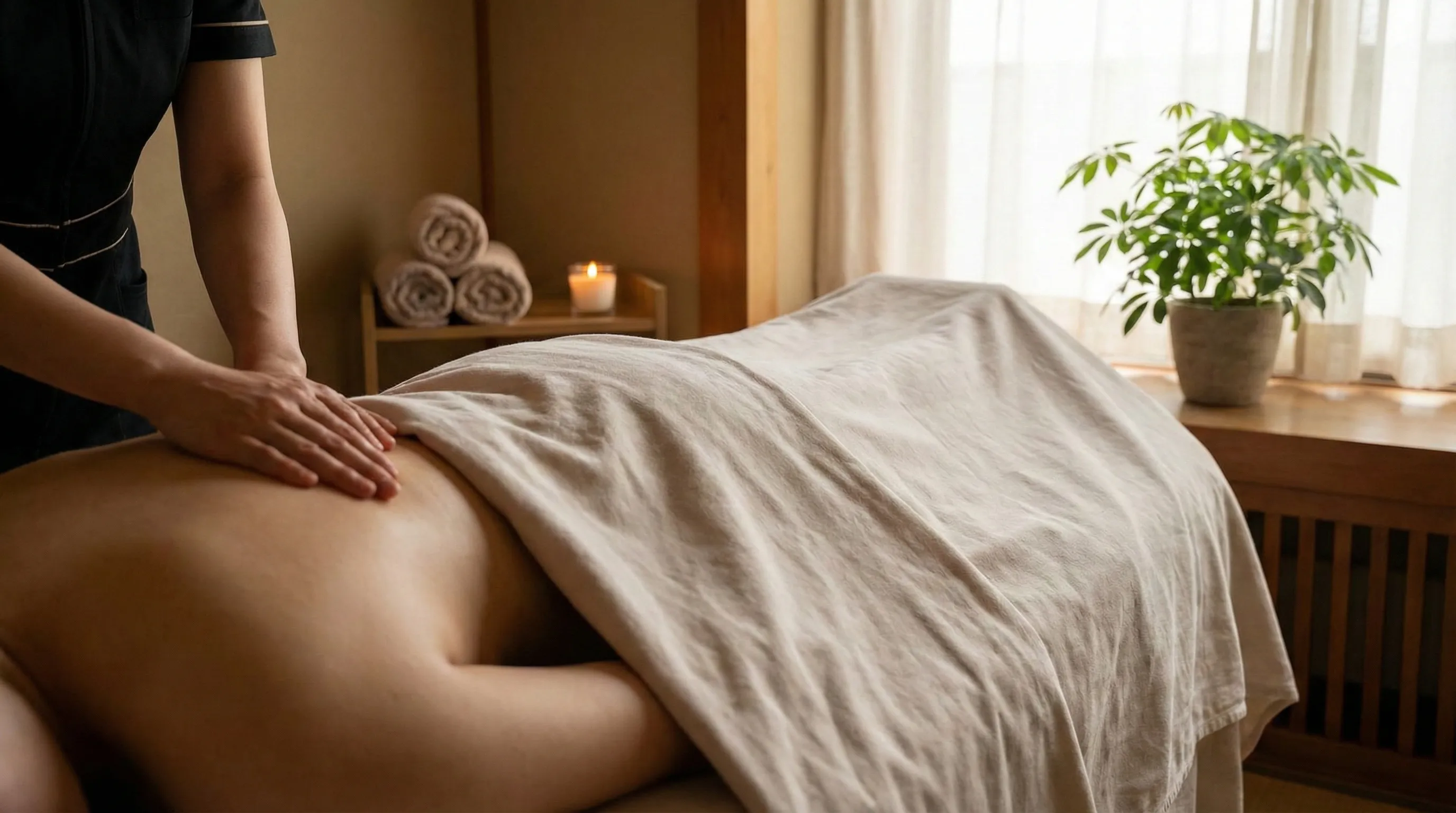
For many first-time clients, the question of "how much to undress" causes significant anxiety. The standard protocol in Western therapeutic massage is to undress to your comfort level. This usually means stripping down to your underwear, but some clients prefer to be completely nude to allow for long strokes along the spine, while others prefer to leave shorts on. The therapist will leave the room while you undress and get on the table. You will cover yourself with a sheet or towel, a practice known as draping.
Proper draping is a strict ethical standard in massage therapy. Only the part of the body being worked on is exposed at any given time, while the rest remains securely covered. This ensures warmth and modesty. You should never feel exposed or vulnerable. If the draping feels loose or revealing, do not hesitate to ask the therapist to adjust it. Your sense of security allows your nervous system to downregulate, which is essential for muscle relaxation. If you are unable to relax because you are worried about the sheet slipping, the massage will not be effective.
Jewelry and Accessories
Remove all jewelry, including necklaces, watches, and rings, before getting on the table. These items can obstruct the therapist's strokes and may get damaged by oils or lotions. Secure your hair if it is long, so it does not interfere with work on your neck and shoulders.
7. Managing Comfort During the Session
Once the massage begins, your primary job is to relax, but you must also remain attuned to your body's needs. The environment in the room should support your relaxation. If the room is too cold, the music is too loud, or the lighting is too bright, speak up immediately. Therapists can adjust the temperature of the table (if it's heated), change the playlist, or dim the lights. Your physical comfort dictates how well your muscles will respond to touch. Even something as small as a wrinkle in the sheet or an uncomfortable face cradle angle can be a distraction.
Breathing is another tool you should actively use. Many people unconsciously hold their breath when a therapist works on a tender spot. However, deep, rhythmic breathing helps oxygenate the blood and encourages muscles to release tension. Try to breathe into the area being massaged. If the therapist applies pressure to a knot in your shoulder, visualize your breath traveling to that spot. This mind-body connection can significantly accelerate the release of trigger points. If you are lying face down, ensure the face cradle is adjusted so your neck is straight and your sinuses aren't blocked.
Feedback Loops
Do not wait until the end of the session to give feedback. If the pressure changes and becomes too light or too heavy, say so in the moment. A simple "that's a bit too deep" or "you can go firmer there" helps the therapist tailor the experience to your real-time needs.
8. Emotional Release and Body Reactions
It is important to note that massage can trigger unexpected physiological and emotional reactions. Physically, you might experience stomach grumbling, drooling, or muscle twitching. These are all normal signs that your parasympathetic nervous system (the "rest and digest" mode) is activating. Do not be embarrassed; therapists are accustomed to these bodily functions and view them as a sign that you are truly relaxing. Occasionally, men may experience an involuntary erection due to the relaxation and increased blood flow; professional therapists understand this is a physiological response and will generally ignore it or adjust the position to reduce friction.
Emotionally, massage can sometimes release stored trauma or stress. The body holds onto emotional tension in the fascia and muscles. When this tension is released physically, it can manifest as a sudden urge to cry, laugh, or feel an overwhelming sense of sadness or joy. This is known as a somato-emotional release. If this happens, know that it is a safe space. You do not need to apologize for tears. A good therapist will hold space for you, perhaps pausing the massage to let you process the emotion, or continuing gently, depending on your preference.
Handling Ticklishness
If you are ticklish, tell your therapist immediately. They can often alter their touch to be broader, slower, and firmer, which is less likely to trigger a ticklish response than light, feathery strokes.
9. Immediate Post-Massage Care
When the session ends, the therapist will leave the room to allow you to dress. Do not rush to get up. Sitting up too quickly after lying down for an hour can cause lightheadedness or dizziness due to changes in blood pressure (orthostatic hypotension). Take a moment to wiggle your fingers and toes, take a deep breath, and sit up slowly. Once dressed, you will rejoin your therapist, who will likely offer you water. Drinking water is crucial immediately after a massage to help flush out metabolic waste products released from the muscles and to rehydrate your tissues.
You may feel "massage drunk"—a state of foggy-headed relaxation and euphoria. While this feels pleasant, it means your reflexes might be slower than usual. Take your time leaving the clinic. If you drove, sit in your car for a few minutes until you feel fully alert. Avoid scheduling high-stress meetings, difficult conversations, or intense physical workouts immediately after your session. The benefits of the massage continue to integrate into your body for hours, and high stress can undo the muscle relaxation you just achieved.
Tipping and Rebooking
In many cultures, particularly in North America, tipping is customary for personal services. If you were satisfied with the service, a tip of 15-20% is standard. This is also the best time to rebook. Therapeutic massage is cumulative; consistent sessions yield better results than sporadic visits.
10. Long-Term Aftercare and Frequency
The days following your massage are just as important as the session itself. It is common to experience Delayed Onset Muscle Soreness (DOMS), especially after a deep tissue or sports massage. This soreness feels similar to how you might feel after a good workout and typically subsides within 24 to 48 hours. To mitigate this, consider taking a warm Epsom salt bath. The magnesium in the salts can help soothe sore muscles and further relax the nervous system. Continue to prioritize hydration in the days following the treatment to keep your soft tissues pliable.
Pay attention to how your body feels over the next week. Did your range of motion improve? Did your headaches disappear? Note these changes to discuss with your therapist at your next visit. Determining the frequency of your visits depends on your goals. For chronic pain management or injury rehab, weekly or bi-weekly sessions might be necessary. For general maintenance and stress relief, a monthly massage is often sufficient. Listen to your body; it is the ultimate guide to determining when you need your next therapeutic intervention.
Self-Care Between Sessions
- Stretching: Maintain the flexibility gained during the massage by stretching daily.
- Ergonomics: Adjust your workspace (chair height, monitor level) to prevent the tension from returning.
- Heat/Ice: Use ice for acute soreness/inflammation and heat for stiff, aching muscles.
Conclusion
Going for a therapeutic massage is a commitment to your physical and mental well-being. By taking note of these ten critical areas—from selecting the right therapist and understanding modalities to communicating boundaries and practicing proper aftercare—you ensure that every session is safe, comfortable, and effective. A massage is a collaboration between you and the therapist. When you approach it with knowledge and preparation, you empower yourself to heal more deeply. Remember that your body is your most valuable asset; treating it with the care and respect inherent in a well-planned massage therapy session is one of the best investments you can make. Whether you seek relief from chronic pain or simply a moment of peace in a chaotic world, keeping these notes in mind will guarantee a superior therapeutic experience.