A Comprehensive Guide to Cervical Cancer: Understanding, Prevention, and Treatment
Cervical cancer is a crucial public health issue impacting women worldwide. With its rising prevalence and significant mortality rates, it's essential to understand the underlying causes, symptoms, diagnosis, treatment options, and preventive measures associated with cervical cancer. In this article, we aim to provide a detailed overview to educate readers on this important topic.
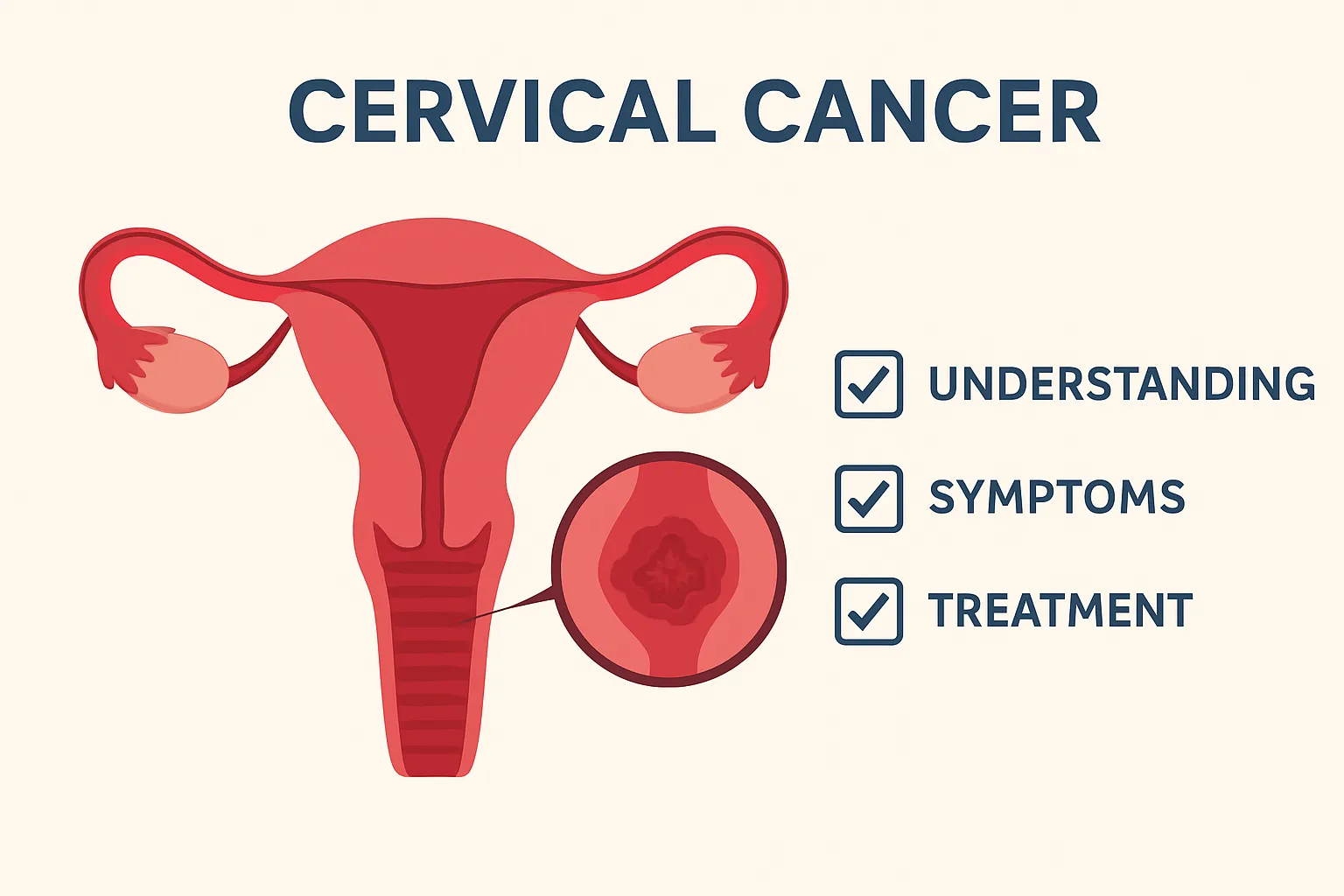
Understanding Cervical Cancer
Cervical cancer originates in the cervix, the lower part of the uterus that connects to the vagina. The most common type of cervical cancer is squamous cell carcinoma, which accounts for about 70% of cases. The remaining cases are generally adenocarcinomas, which develop in the glandular cells of the cervix.
Key Terminology and Classification
Cervical cancer is typically classified into two main types:
- Invasive cervical cancer: This type has spread beyond the surface of the cervix and into surrounding tissues.
- Non-invasive cervical cancer (carcinoma in situ): This form is confined to the surface layer of the cervix.
The Role of HPV
Human Papillomavirus (HPV) infection is the leading cause of cervical cancer. High-risk HPV types like HPV-16 and HPV-18 have been identified as primary contributors to the development of cervical cancer, with over 90% of cases linked to HPV.
Risk Factors for Cervical Cancer
Understanding the risk factors for cervical cancer is crucial for prevention. Several factors can increase the likelihood of developing this disease:
HPV Infection
As mentioned, HPV is the most significant risk factor. Most sexually active individuals will contract HPV at some point, but only a small percentage develop cervical cancer. Persistent infection with high-risk HPV types significantly raises the risk.
Other Contributing Factors
- Smoking: Women who smoke are more likely to develop cervical cancer than non-smokers. The carcinogenic chemicals in cigarettes can damage cervical cells.
- Weakened Immune System: Women with compromised immune systems, such as those with HIV/AIDS, are at an increased risk due to their reduced ability to fight off HPV infections.
- Multiple Sexual Partners: Having multiple sexual partners raises the likelihood of HPV exposure.
- Long-Term Use of Birth Control Pills: Studies have shown that long-term use of oral contraceptives may increase the risk of cervical cancer.
Symptoms of Cervical Cancer
Early-stage cervical cancer often lacks noticeable symptoms, making regular screenings essential. As the disease progresses, women may experience several significant symptoms:
Early Signs
- Abnormal Vaginal Bleeding: This can occur between periods, after sexual intercourse, or after menopause.
- Unusual Vaginal Discharge: Women may notice a watery, bloody, or foul-smelling discharge that differs from their normal pattern.
Advanced Symptoms
- Pelvic Pain: Persistent pain in the pelvic area that doesn't respond to medication may indicate an advanced stage of cervical cancer.
- Pain during Intercourse: Discomfort during sexual activity can also signal complications related to cervical cancer.
Diagnosis of Cervical Cancer
Early diagnosis of cervical cancer is pivotal for effective treatment. The diagnostic process often involves several key steps:
Screening Techniques
- Pap Smear (Pap Test): This test involves collecting cells from the cervix to identify any precancerous or cancerous changes. Regular Pap smears can significantly reduce the risk of cervical cancer.
- HPV Testing: HPV tests can be conducted together with Pap smears to identify the presence of high-risk HPV types.
Biopsy
If abnormalities are detected during screening, a biopsy may be performed. This involves removing a small tissue sample from the cervix for laboratory analysis to determine if cancer is present.
Treatment Options for Cervical Cancer
The treatment of cervical cancer depends on the stage of the disease, patient health, and personal preferences. Here are the standard treatment options:
Surgical Options
- Conization: This procedure involves removing a cone-shaped piece of cervical tissue to treat precancerous conditions or early-stage cancer.
- Hysterectomy: In cases where cervical cancer is invasive, a surgical procedure may involve removing the uterus and cervix. This can be a radical hysterectomy, where surrounding tissues and lymph nodes are also removed.
Radiation Therapy
Radiation therapy uses high-energy rays to kill cancer cells. It can be used alone for early stages or in combination with surgery for advanced cases.
Chemotherapy
Chemotherapy involves using drugs to kill fast-growing cancer cells. It is usually recommended for advanced cervical cancer, often in conjunction with radiation therapy.
Preventive Measures Against Cervical Cancer
Prevention is key in reducing the risk of cervical cancer. Individuals can take several steps to protect themselves:
Vaccination
The HPV vaccine is highly effective in preventing the types of HPV that cause cervical cancer. Vaccination is recommended for preteens and young adults, ideally before they become sexually active.
Regular Screening
Routine Pap smears and HPV testing are crucial for early detection. Women should begin these screenings at age 21 and continue based on their doctor's recommendations.
Healthy Lifestyle Choices
- Quit Smoking: Women who smoke should seek resources to help quit, as this can significantly lower their risk for cervical cancer.
- Balanced Diet: Consuming a diet rich in fruits, vegetables, and whole grains can support overall health and may have protective effects against cancer.
- Physical Activity: Regular exercise can help boost the immune system and maintain a healthy weight, further reducing cancer risk.
Living with Cervical Cancer
A cervical cancer diagnosis can be life-altering. It’s essential to access comprehensive support during treatment and beyond.
Importance of Support Networks
Support from family, friends, and healthcare professionals is crucial. Women may consider joining support groups to connect with others facing similar challenges.
Follow-Up Care
After treatment, ongoing follow-up care is vital. Regular check-ups allow healthcare providers to monitor for any recurrence of cancer and manage any side effects from treatment.
The Future of Cervical Cancer Research
Ongoing research is essential for improving outcomes for women affected by cervical cancer. Here are some key areas of focus:
Advances in Screening Techniques
Research into more sensitive and accurate screening methods continues to evolve, potentially reducing the incidence of cervical cancer further.
Vaccine Development
Continued efforts to develop vaccines targeting more strains of HPV hold promise for eradicating cervical cancer in the future.
Personalized Medicine
Exploring individualized treatment options based on genetic profiles offers hope for more effective therapies while minimizing side effects.
Conclusion
Cervical cancer remains a significant health challenge, but with increased awareness, education, and prevention efforts, it is possible to reduce its impact on women's health. Understanding the risk factors, recognizing symptoms, utilizing effective screening, and adopting a proactive approach to health can empower individuals to combat this disease effectively. By prioritizing education and prevention, we can strive towards a future where cervical cancer is no longer a major concern for women globally. Through continued research and support, we move closer to achieving this vital goal.