Walgreens Pivots to Primary Care: Pharmacies as Neighborhood Health Hu
Walgreens transforms from corner drugstore into primary care destination, integrating pharmacy services with walk-in clinics, chronic disease management, and digital health tools.
The New Prescription at Walgreens
For generations, Walgreens has been the quintessential neighborhood pharmacy—a reliable stop for prescriptions, toiletries, and a quick snack. But if you walk into a Walgreens today, you might be surprised by what you find. The iconic drugstore chain is undergoing a radical transformation, pivoting from a retail-driven model toward a healthcare-first strategy. With the acquisition of VillageMD and the expansion of same-day primary care clinics, Walgreens is positioning itself as a one-stop shop for everyday health needs, aiming to fill the gaps left by overburdened primary care physicians and rural healthcare deserts.
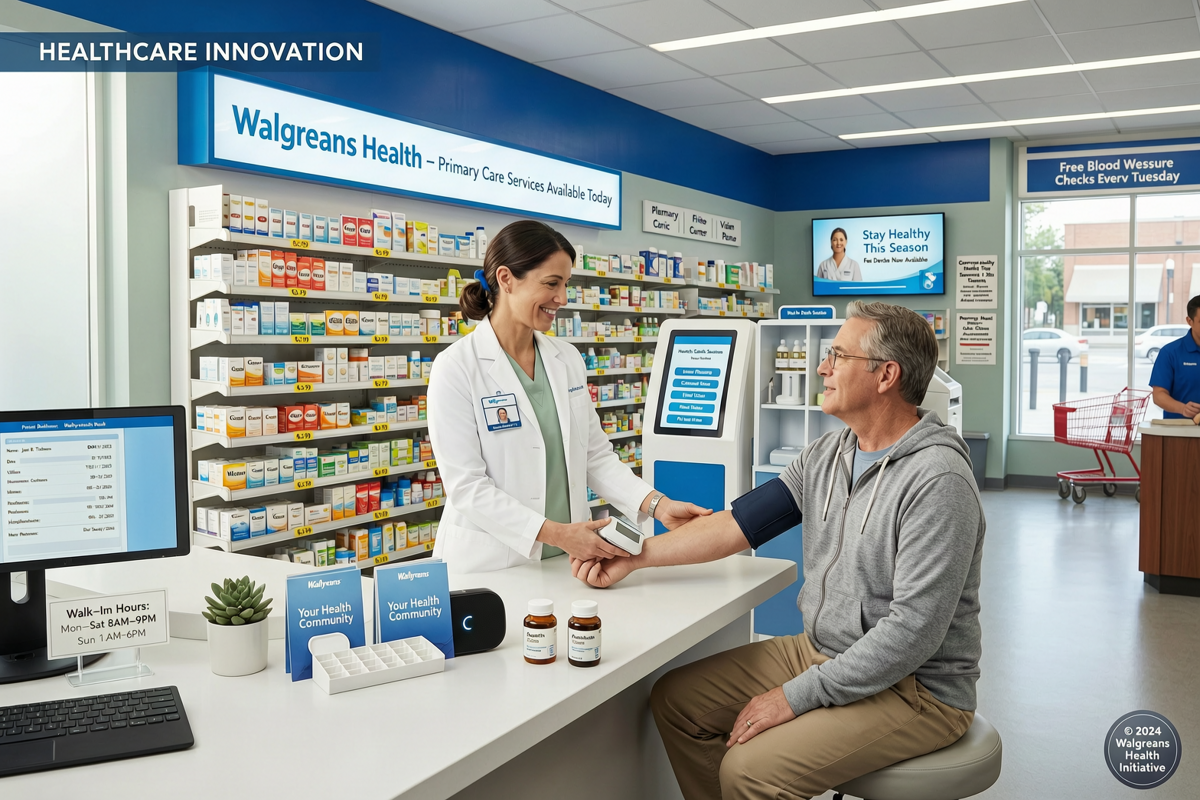
This shift is not just about adding a few blood pressure cuffs in the pharmacy aisle. It represents a fundamental rethinking of what a pharmacy can be in 2025—where the pharmacist's role expands from dispenser to care provider, and the store itself becomes a neighborhood health hub. The question is: will this bold pivot succeed, and what does it mean for patients who rely on Walgreens for both their prescriptions and their daily wellness?
A Prescription for Change
Walgreens' strategy is rooted in a simple observation: millions of Americans visit a pharmacy at least once a month, but far fewer see a primary care doctor regularly. By embedding clinics within its stores, Walgreens offers convenient, accessible care for common ailments, preventive screenings, and chronic condition management. Patients can walk in without an appointment, receive treatment from a nurse practitioner or physician assistant, and fill their prescription at the same counter—all in one trip.
This integration is especially powerful for patients managing diabetes, hypertension, and asthma. Walgreens has launched specialized programs where pharmacists provide medication therapy management, lifestyle coaching, and regular follow-ups. For example, a diabetic patient might visit the clinic for a checkup, then step a few feet away to consult with a pharmacist about insulin dosing and glucose monitoring. This seamless care continuum saves time and reduces fragmentation.
Digital Health Meets the Corner Drugstore
Walgreens is also leaning heavily into digital health. Its app now offers features like prescription refill reminders, telehealth consultations, and a symptom checker that can guide patients to the appropriate level of care. The company has partnered with multiple telemedicine platforms to provide virtual visits that can be initiated from the comfort of home, with prescriptions sent directly to the nearest Walgreens. For those who prefer in-person service, the app can check wait times at the clinic and schedule appointments.
Moreover, Walgreens is expanding its role in specialty pharmacy—handling complex medications for conditions like cancer, multiple sclerosis, and rheumatoid arthritis. These medications often require careful handling, patient education, and ongoing monitoring. By offering deep expertise and personalized support, Walgreens aims to become a trusted partner for patients with serious illnesses, providing not just the drug but a whole ecosystem of care.
The Pharmacy of the Future
Critics, however, point out that the transition hasn't been seamless. Rolling out hundreds of in-store clinics requires significant investment in real estate, staffing, and technology. Some locations have struggled to attract enough patients, while others face competition from urgent care chains and retail giants like CVS and Amazon Pharmacy. Walgreens has also had to navigate varying state regulations around scope of practice for pharmacists, which can limit the services they can offer.
Yet the early signs are promising. In markets where Walgreens has fully integrated clinics, patient satisfaction scores have risen, and prescription volumes have grown. The company reports that clinic patients are more likely to fill their prescriptions on-site, boosting retail sales as well. Additionally, Walgreens' partnership with VillageMD has enabled it to offer primary care in under served areas, earning goodwill from community leaders and insurers.
Lessons for Consumers
For the average shopper, the transformation means more value from a familiar brand. Next time you visit Walgreens for a prescription, consider asking about their clinical services. Many basic screenings—such as blood pressure, cholesterol, and A1C tests—are available at no extra cost with insurance. If you're uninsured, Walgreens offers transparent pricing for clinic visits, often lower than a typical doctor's office.
Also, download the Walgreens app to take advantage of digital tools. You can schedule a same-day telehealth consult for issues like sinus infections or rashes, avoiding the emergency room entirely. For chronic conditions, ask your pharmacist about medication synchronization programs that align all your refills to the same date each month, reducing trips and improving adherence.
Ultimately, Walgreens' evolution reflects a broader trend in healthcare: moving services closer to where people live, work, and shop. By blurring the lines between pharmacy and clinic, Walgreens is betting that convenience and trust will drive better health outcomes—and customer loyalty. The corner drugstore isn't disappearing; it's being rewritten.