Telehealth Uncovered: The Smart Guide to Online Medical Treatment
Online medical treatment has transformed healthcare. Discover how virtual visits work, what they can treat, and how to choose the right platform for your needs.
What Is Online Medical Treatment?
Online medical treatment, often called telehealth or telemedicine, uses digital communication platforms to connect patients with licensed healthcare providers. Instead of sitting in a waiting room, you open an app, share your symptoms, and speak with a doctor through video, phone, or secure messaging. What was once considered a futuristic convenience is now a routine part of health care systems worldwide.
The concept first emerged for rural areas and follow-up appointments, but the COVID-19 pandemic accelerated its adoption dramatically. Today, online medical treatment is used for acute illness, chronic condition management, mental health therapy, and even specialist consultations. The technology has matured, regulations have adapted, and millions of patients now rely on virtual care as a first line of defense against everyday health concerns.
The Everyday Benefits: Why Virtual Care Wins
Convenience is the most obvious advantage. You no longer need to take half a day off work, arrange childcare, or commute across town for a 10-minute consultation. With online medical treatment, appointments fit into your lunch break or evening routine. Many platforms offer same-day or next-day slots, reducing the anxiety of waiting weeks for a check-up.
Cost is another major factor. Virtual consultations are often less expensive than in-person visits, and many insurance plans now cover telehealth services at the same rate as office visits. For those without insurance, direct-to-consumer telehealth platforms provide transparent pricing and can be significantly cheaper than urgent care centers.
Accessibility is perhaps the most overlooked benefit. For individuals with mobility issues, chronic fatigue, or those living in remote areas, online medical treatment removes geographical barriers. You can connect with a specialist hundreds of miles away without leaving your home. This is especially valuable in countries where medical staffing is unevenly distributed.
Behind the Scenes: How Virtual Appointments Work
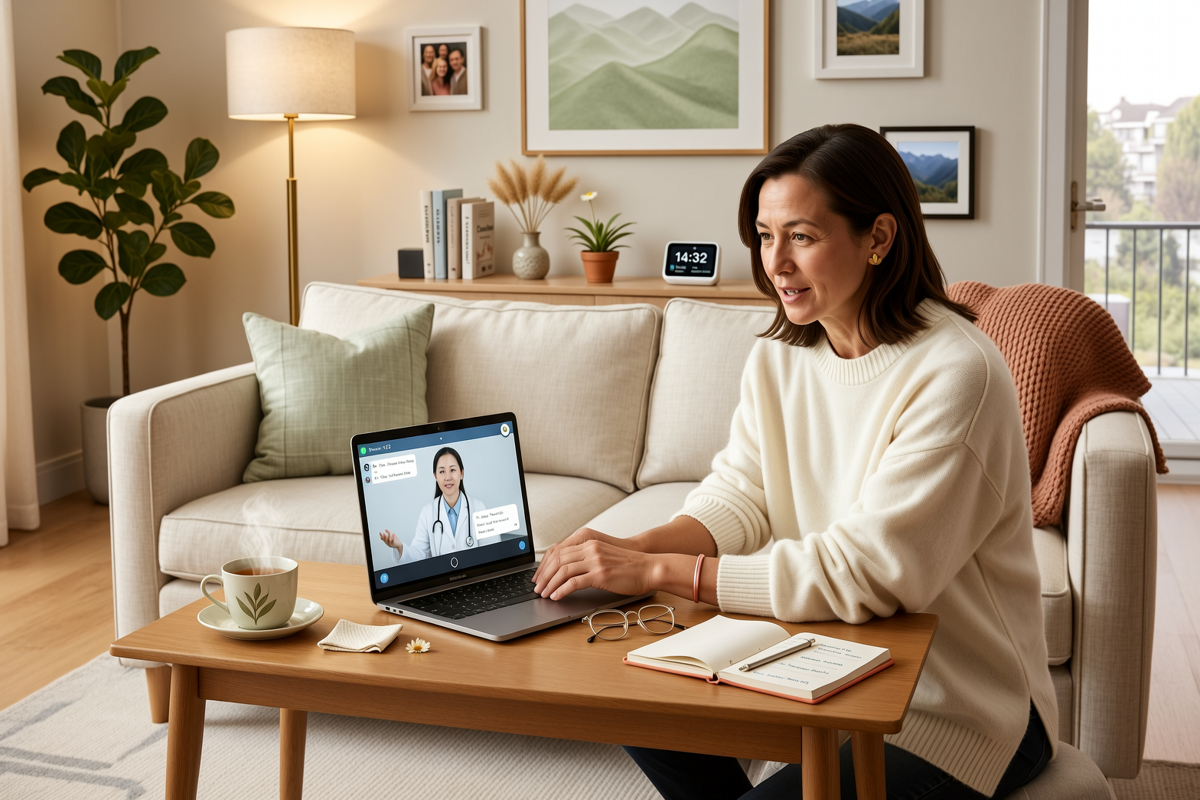
Most platforms follow a simple flow. You create an account, fill out a medical history questionnaire, and describe your current symptoms. A licensed clinician reviews your information and schedules a synchronous video visit or offers an asynchronous assessment via text. During the video visit, the doctor can ask follow-up questions, review any photos you’ve uploaded (for skin conditions, for example), and decide whether a prescription is appropriate.
Behind the scenes, these platforms comply with health privacy regulations like HIPAA in the US and GDPR in Europe. Your personal health data is encrypted, and strict protocols govern who can access your records. That said, you should always read the privacy policy of any platform you choose to understand how your information is stored and shared.
What Can You Actually Treat Online?
There is a common misconception that online doctors can only hand out prescriptions for sinus infections. That’s outdated thinking. In reality, virtual care can address a broad spectrum of issues:
- Acute illnesses like colds, flu, urinary tract infections, allergies, and minor skin rashes.
- Chronic conditions including hypertension, diabetes, asthma, and thyroid disorders – follow-up appointments and medication refills are highly effective online.
- Mental health support for anxiety, depression, and stress. Therapy and psychiatric consultations are among the most successful telehealth applications.
- Primary care for annual wellness visits, lab work reviews, and lifestyle counseling.
- Dermatology through photo-based assessments, where you upload high-resolution images and receive a treatment plan within 24 hours.
- Prescription refills for maintenance medications, saving you from irrelevant office visits.
Preparing for Your Virtual Appointment
To make the most of your online medical treatment, a little preparation goes a long way. Find a quiet, private space with good lighting and a stable internet connection. Test your microphone and camera beforehand. If you’re using a phone, make sure the app has the necessary permissions authorized before your doctor joins.
Have your current medications, allergies, and relevant medical history at hand. Write down your top three symptoms, including when they started, how they feel, and anything that makes them better or worse. Being concise helps your doctor make a better assessment.
Remember to mention any recent travel, unusual exposures, or over-the-counter remedies you’ve already tried. This information can guide the physician’s recommendations and help avoid redundant treatments.
How to Choose a Telehealth Platform
Not all online medical treatment services are equal. As the market grows, so does the variation in quality, pricing, and physician credentials. Here’s what to look for:
- State-licensed providers. Ensure the platform verifies that every doctor is licensed to practice in your region. In telehealth, the location of the provider can matter as much as your own.
- Transfer options. A trustworthy platform will coordinate with a local urgent care or hospital if an in-person visit is required.
- Transparent pricing. Look for clear costs for a standard consultation, whether that’s a flat fee or covered by your insurance.
- Secure communication. The service should use encrypted video and messaging, not your personal email or a plain phone call.
- Specialized services. Choose a platform that has physicians experienced in the specific condition you’re dealing with, not just a generic team.
- Prescription handling. Confirm how they send prescriptions to a pharmacy. Some platforms have their own integrated pharmacy, which may be convenient but can also limit your choice of drugstore.
The Limits of Online Medical Treatment
While telehealth is powerful, it’s not a replacement for all in-person care. Certain situations demand the physical presence of a clinician. Chest pain, sudden shortness of breath, severe bleeding, vertigo with loss of balance, or any sign of stroke or heart attack should send you to an ER immediately – not to your phone.
Additionally, some conditions require hands-on examination. A virtual doctor cannot feel a swollen joint, listen to your heart, or perform a pelvic exam. They might ask you to take certain measurements or check your own blood pressure, but there are limits. If you need lab work, imaging, or a pap smear, you’ll need to visit a facility that offers those services.
Another limitation is technological inequality. Not everyone has access to a smartphone, a reliable internet connection, or the digital literacy to navigate a telehealth interface. As online medical treatment becomes more common, it’s important that providers also maintain high-quality in-person options and support patients who cannot use virtual services.
The Future: AI, Wearables, and the Connected Clinic
Online medical treatment is still evolving. Artificial intelligence is starting to assist clinicians by analyzing symptoms, scanning electronic health records, and flagging at-risk patients. Wearable devices like smartwatches can already monitor heart rhythm, oxygen saturation, and sleep patterns, sending that data directly to your telehealth provider for a more informed consultation.
We are likely to see more hybrid models, where online platforms handle the initial triage and follow-up, while physical clinics focus on hands-on procedures and advanced diagnostics. Imagine a patient who monitors their blood pressure at home, shares the readings through an app, receives medication adjustments remotely, and only visits the clinic once a year for a full physical. That future is already happening in progressive healthcare systems.
Making the Right Call
Online medical treatment is not a miracle cure, but it’s a legitimate, safe, and efficient option for many common health concerns. It saves time, reduces costs, and expands access – all while maintaining high standards of care when used appropriately. The key is knowing when to use it and when to step away from the screen.
Start with a reputable platform, prepare for your visit, and be honest about your symptoms. You’ll find that many doctor visits can be transformed into a 15-minute conversation from the comfort of your couch. That’s the promise of telehealth, and it’s here to stay.