Diverticulitis: Smart Gut Strategies for Lasting Relief
Learn the causes, symptoms, and treatments for diverticulitis. Discover dietary changes and prevention tips to keep your gut healthy and pain-free.
Diverticulitis is one of those digestive conditions that often goes unnoticed until it strikes with sudden, sharp pain. If you've ever experienced that kind of abdominal discomfort, you know how disruptive it can be. But understanding what diverticulitis is, how it develops, and what you can do about it can make a world of difference. This guide breaks down the essentials, from symptoms to prevention, so you can take charge of your digestive health.
What Is Diverticulitis?
To understand diverticulitis, you first need to know about diverticulosis. Diverticulosis is a condition in which small, bulging pouches (called diverticula) form in the lining of your digestive system, most commonly in the lower part of the large intestine (colon). These pouches are generally harmless and often cause no symptoms. In fact, many people discover they have diverticulosis during a routine colonoscopy or imaging test for another issue.
Diverticulitis occurs when these pouches become inflamed or infected. This can lead to a range of uncomfortable symptoms, and in severe cases, it can cause serious complications such as abscesses, perforation, or blockages. While diverticulitis can be painful and alarming, it is also highly manageable for most people with prompt treatment and smart lifestyle adjustments.
Common Symptoms to Watch For
Diverticulitis symptoms can vary widely, depending on the severity of the inflammation. Some people experience only mild discomfort, while others face debilitating pain. Typical signs include:
- Abdominal pain: Often on the lower left side of the belly, but can occur anywhere in the abdomen.
- Fever and chills: A sign that infection may be present.
- Nausea and vomiting: Especially if the inflammation affects your stomach.
- Changes in bowel habits: Constipation or diarrhea, sometimes alternating.
- Bloating and gas: A feeling of fullness or pressure.
If you notice these symptoms, especially if they come on suddenly or worsen over time, it's important to seek medical advice. Early intervention can prevent complications.
Causes and Risk Factors
The exact cause of diverticulitis is not fully understood, but several factors are known to increase your risk. The most widely accepted theory is that a low-fiber diet contributes to increased pressure inside the colon, which forces diverticula to form. When stool gets trapped in these pouches, inflammation and infection can follow.
Other risk factors include:
- Age: Diverticulitis is more common in people over 40.
- Obesity: Excess weight puts added pressure on the colon.
- Smoking: Tobacco use is linked to a higher risk of diverticulitis, especially severe cases.
- Lack of exercise: Regular physical activity helps keep bowel movements regular.
- Certain medications: Nonsteroidal anti-inflammatory drugs (NSAIDs) like ibuprofen and aspirin may increase the risk.
While you can't change your age or genetics, lifestyle choices like diet, exercise, and quitting smoking can significantly lower your odds of developing diverticulitis.
How Is Diverticulitis Diagnosed?
If your doctor suspects diverticulitis, they will usually start with a physical exam and a review of your symptoms, medical history, and current medications. To confirm the diagnosis, they may order one or more of the following tests:
- CT scan: This is the most common imaging test for diverticulitis. It can show inflamed pouches, abscesses, and other complications.
- Blood tests: These help check for signs of infection, such as a high white blood cell count.
- Urine and stool tests: These can rule out other conditions that cause similar symptoms.
In mild cases, a CT scan may not be necessary, but it's often helpful for distinguishing diverticulitis from conditions like irritable bowel syndrome or inflammatory bowel disease.
Treatment Options: From Home Care to Surgery
Treatment for diverticulitis depends on how severe your symptoms are and whether you have any complications. For many people, home care is enough, but some need stronger intervention.
Mild Diverticulitis
If you have mild symptoms and no signs of infection, your doctor may recommend:
- Antibiotics: Though this is changing. Recent research suggests that some people with uncomplicated diverticulitis may not need antibiotics, but they are still prescribed in many cases to prevent infection.
- A clear liquid diet: This gives your colon time to heal. You may start with broths, clear juices, and gelatin, then gradually add soft, low-fiber foods as symptoms improve.
- Over-the-counter pain relievers: Acetaminophen is often recommended, while NSAIDs are avoided as they can worsen symptoms.
Always follow your doctor's advice and rest until you feel better.
Severe Diverticulitis
Severe diverticulitis, or diverticulitis with complications, often requires hospitalization. In the hospital, you may receive intravenous antibiotics and fluids. If an abscess has formed, it may need to be drained. Surgery is reserved for cases where there is a perforation, a blockage, or a fistula, or if you have recurrent attacks despite treatment.
Surgery typically involves removing the affected portion of the colon. Sometimes this is done as a single operation, while in other cases it's done in two stages to allow the colon to heal. Your healthcare team will discuss the best option for your situation.
The Role of Diet in Managing and Preventing Flare-Ups
Diet is a critical part of both recovering from diverticulitis and preventing future attacks. During an acute flare-up, your doctor may advise you to follow a clear liquid diet until the inflammation subsides. Once you're on the mend, you can slowly transition to a low-fiber diet for a few days, then gradually increase fiber.
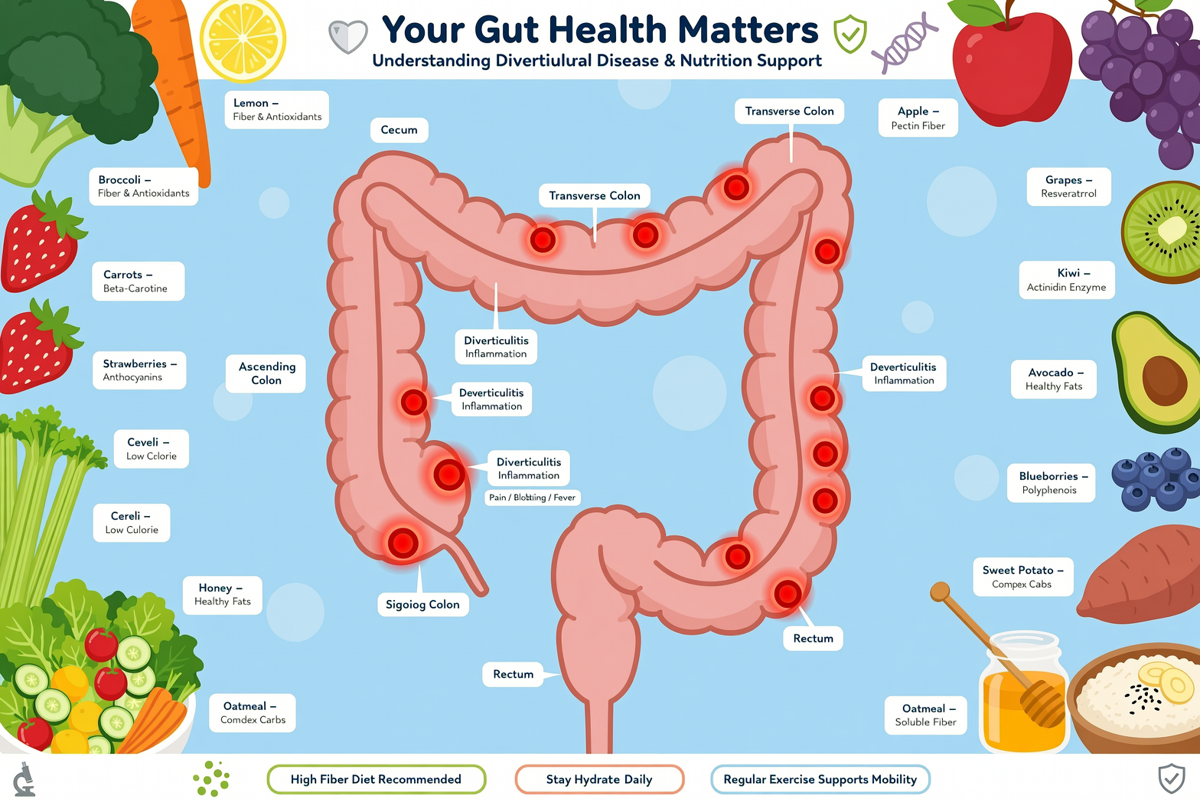
Long-term prevention focuses on a high-fiber diet that keeps stools soft and reduces pressure in the colon. Foods that are rich in fiber include:
- Fruits: Apples, pears, bananas, and berries.
- Vegetables: Broccoli, carrots, spinach, and potatoes with skin.
- Whole grains: Oats, brown rice, quinoa, and whole-wheat bread.
- Legumes: Lentils, beans, and chickpeas.
There's a common myth that nuts, seeds, and popcorn can cause diverticulitis, but research has not found a clear link. In fact, these foods are sources of fiber and can be part of a healthy diet for most people with diverticulosis. However, if you notice that certain foods trigger symptoms, it's wise to avoid them. Keeping a food diary can help you identify personal triggers.
Lifestyle Changes for Long-Term Gut Health
In addition to diet, other lifestyle habits can help you avoid diverticulitis flare-ups:
- Stay hydrated: Drinking plenty of water helps fiber do its job.
- Exercise regularly: Physical activity promotes regular bowel movements and reduces pressure on the colon.
- Maintain a healthy weight: Excess weight, especially around the abdomen, increases risk.
- Quit smoking: If you smoke, seek support to stop. This is one of the most impactful changes you can make.
- Manage stress: High stress can affect digestive health, so try relaxation techniques like deep breathing, meditation, or yoga.
Making these changes not only helps your colon but also improves your overall well-being.
When to Seek Immediate Medical Care
Most episodes of diverticulitis are mild, but some are medical emergencies. Seek care right away if you experience any of the following:
- Severe or sudden abdominal pain that doesn't go away.
- High fever (over 101°F or 38.3°C).
- Blood in your stool or persistent bleeding.
- Signs of blockage: Inability to pass gas or have a bowel movement, along with vomiting.
- Dizziness or fainting, which could indicate internal bleeding.
These symptoms can signal a rupture, abscess, or other complication that requires immediate treatment.
Diverticulitis can be a frustrating and painful condition, but it doesn't have to rule your life. By understanding the warning signs, seeking timely care, and making sustainable changes to your diet and lifestyle, you can reduce the frequency of flare-ups and enjoy a healthier gut. Always consult with your healthcare provider before making major changes, especially if you've already been diagnosed. With the right approach, you can find relief and take control of your digestive health.