ADHD at Work: Strategies to Thrive, Not Just Survive
Adult ADHD can feel like a constant uphill climb. Discover science-backed strategies to sharpen focus, manage time, regulate emotions, and build a career on your own terms.
For decades, ADHD was seen as a childhood disorder—a constellation of fidgeting, daydreaming, and impulsive outbursts that kids were expected to outgrow. We now know that's far from true. Up to 60% of children with ADHD carry the diagnosis into adulthood, and many more adults are only now realizing they've been living with it their entire lives. The term "Attention Deficit" is misleading, too. Adults with ADHD often have no trouble paying attention; the real challenge is controlling what they pay attention to. That's why a busy office, an open-plan home, or a smartphone full of notifications can feel like a battlefield.
But here's the good news: adult ADHD is not a life sentence of missed deadlines and chaotic mornings. It's a different brain wiring, and with the right strategies, it can become a source of creativity, resilience, and hyperfocus. This guide offers a practical, evidence-based roadmap for adults with ADHD who want to thrive in their careers and personal lives—without losing the spark that makes them who they are.
Why Adult ADHD Is Still So Often Missed
The classic image of ADHD—a young boy bouncing off the walls—doesn't match many adults' experience. In adulthood, hyperactivity often turns inward, presenting as mental restlessness, anxiety, or a constant need to be doing something. Inattentive symptoms, like losing keys, misplacing emails, or zoning out during meetings, are easy to dismiss as "normal" stress. As a result, many adults reach their 30s, 40s, or even 50s before receiving a diagnosis. That's unfortunate, because a proper diagnosis can be the key that unlocks self-compassion. It answers the question, "Why do I have to work twice as hard as everyone else just to feel normal?"
Undiagnosed adult ADHD often masquerades as anxiety, depression, or chronic underachievement. Women in particular are frequently overlooked because their symptoms tend toward inattention and emotional overwhelm rather than disruptive hyperactivity. Recognizing the hidden signs—like losing track of time, procrastinating on boring tasks, and feeling overwhelmed by everyday responsibilities—is the first step toward building a better system.
Redefining ADHD: A Different Operating System
Instead of viewing ADHD purely as a disorder, think of it as an operating system that prioritizes interest, novelty, and urgency over importance and deadlines. The ADHD brain is not broken; it's just wired differently. It relies on dopamine to get going, and when a task doesn't provide enough stimulation, the brain literally goes into neutral. This explains why you can write a 10-page report in one caffeine-fueled marathon but struggle to fill out a timesheet that takes thirty seconds.
You can use this understanding to your advantage. Instead of fighting your brain, work with it. The next sections offer concrete techniques designed for the ADHD brain's unique strengths and challenges.
Practical Strategies for Focus and Follow-Through
Externalize Your Memory
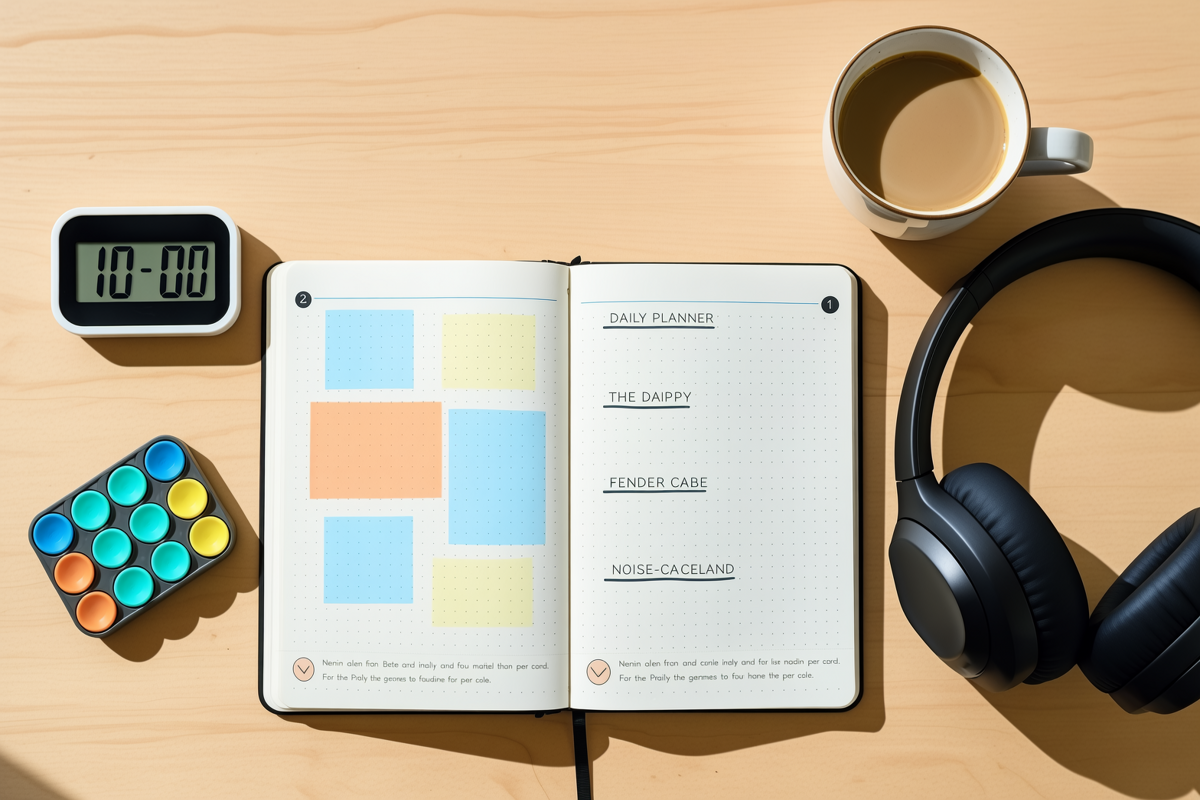
Your working memory is like a whiteboard that someone keeps wiping clean. Don't rely on it. Write everything down—not just appointments, but also ideas, tasks, and "things to check on." A reliable digital note-taking app, a physical planner, or even sticky notes on your monitor can serve as your external memory. The simple act of writing something down frees your brain from the mental loop of "don't forget, don't forget." And when your mind wanders mid-task, that external list is your anchor.
Time Blindness Hacks
Many adults with ADHD experience "time blindness"—the sense that the future is a distant, abstract concept. Deadlines seem irrelevant until they're forty-eight hours away. To counteract this, make time visible. Use physical clocks in every room. Set timers for any task you dread; the trick is to commit to just five minutes of work. Usually, starting is the hardest part, and once you begin, momentum carries you forward. For longer projects, break them into small, visible chunks. A wall calendar that shows the whole month can help you see where your time is actually going.
Manage Your Energy, Not Just Your Time
The ADHD brain runs on interest, not on the clock. So, schedule the most challenging tasks during your natural peak focus hours—often the morning or late evening, when distractions are low. Tackle tedious, low-stimulation tasks like emails or expense reports when your energy dips, but pair them with something enjoyable, like a favorite podcast (provided you can still focus). Just be honest with yourself: if you're not a morning person, don't force deep work at 7 a.m. instead, embrace your natural rhythms and design your day around them.
Create ADHD-Friendly Spaces
External clutter equals internal noise. For an ADHD brain, every out-of-place object is a small pull on your attention. Spend fifteen minutes each day clearing your desk and your digital workspace. Turn off non-essential notifications on your phone and computer. Use noise-cancelling headphones if you're in a busy office. And don't underestimate the power of physical movement: a quick walk or fidget toy can help you burn off restless energy and return to your seat with a clearer head.
Emotional Regulation: The Hidden Battle
What many people don't realize is that ADHD also affects emotional regulation. Rejection sensitivity, as it's often called, can make a critical email feel like a personal attack, and a tiny mistake can spiral into feelings of shame and self-doubt. These emotional waves are not a sign of weakness; they're a neurological feature of ADHD. When you understand this, you can create a mental buffer between the trigger and your reaction. Practice pausing. Take a deep breath, label the emotion (“this is a rejection spiral”), and remind yourself that feelings pass. Talking to a therapist who specializes in ADHD can also provide a safe space to develop these skills.
Medication and Professional Support
Medication is often a game-changer for adult ADHD, and it's not the only tool. Stimulants and non-stimulants can help balance dopamine and norepinephrine, making it easier to focus and follow through. But medication works best when combined with practical strategies, coaching, and, if needed, therapy. A psychiatrist or ADHD specialist can help you find the right medication and dosage. Cognitive behavioral therapy (CBT) specifically designed for ADHD has been shown to reduce procrastination, improve time management, and ease emotional distress. There is no shame in seeking help. In fact, getting the right support is a sign of self-respect, not failure.
The ADHD Advantage
With the right systems in place, adult ADHD can actually be a substantial asset. Many people with ADHD are extraordinarily creative, empathetic, and capable of achieving deep, laser-like focus on work they find meaningful. They see connections that others miss, think outside the box, and bring a contagious enthusiasm to their projects. The goal is not to "fix" yourself. It's to build a life that accommodates your brain's needs and celebrates its unique contributions. Start with one small strategy from this article today. Tomorrow, add another. Over time, you'll not only survive in a world built for neurotypical brains—you'll genuinely thrive.